This is a really quick and easy tutorial to apply a gradient onto selected graphics rather than over a layer. It is particularly effective applied to thin strokes or outlined graphics to create an etched effect. 🙂
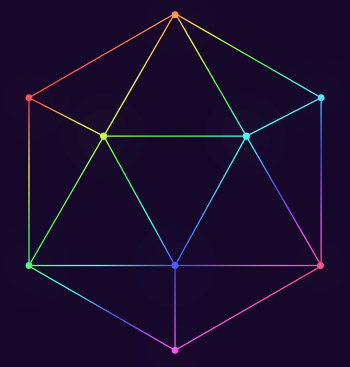
This is a really quick and easy tutorial to apply a gradient onto selected graphics rather than over a layer. It is particularly effective applied to thin strokes or outlined graphics to create an etched effect. 🙂
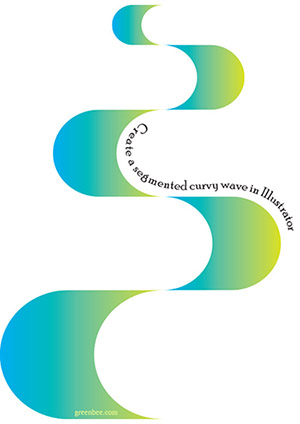
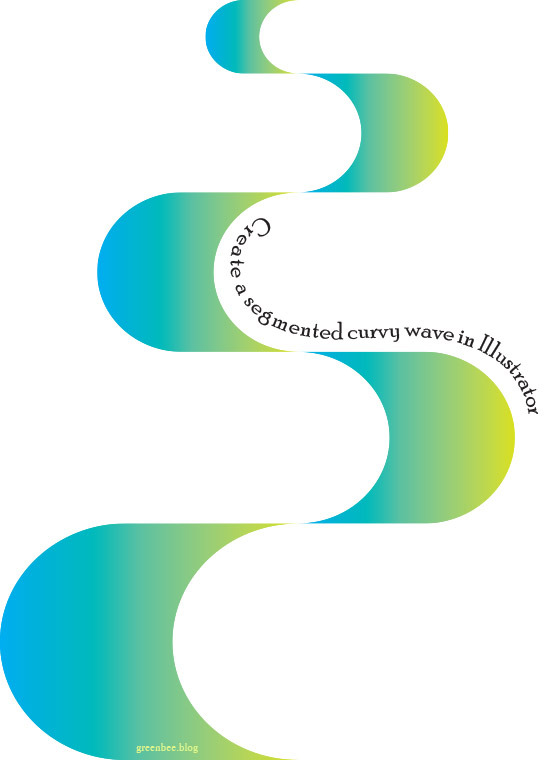
The curvy path in the picture is made up of little segments that can be reflected and aligned to create a curvy path. Each segment can be scaled up or down to create interest and impact. You can unite them using Pathfinder to create a single colour or gradient wave.
The tutorial is for Illustrator CC but I think all the functionality to do it is in CS6 and maybe earlier :):

*Reposting from original blog The Singing Tree*

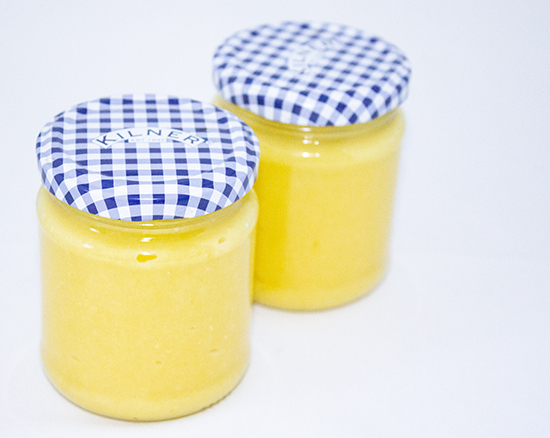
Lovely, luscious lemon curd. Two jars of sunshine. It took 7 eggs – two whole and 5 yolks. T
Juice of 3 lemons (organic, well-washed)
The zest of 1 lemon
5 egg yolks (buy free range, let’s try for happy chickens)
2 whole eggs
110g caster sugar
60g butter (Irish butter, mmmmm)
Over a Bain Marie, dissolve the sugar into the lemon juice.
Add the egg, stirring continuously.
Keep stirring and occasionally beating for about 15 minutes; the mixture will have thickened as the eggs have cooked.
Take off the heat and stir in the butter.
Sieve into a jug. Cover with clingfilm – ensure that the clingfilm lies on the surface of the lemon curd to prevent it from forming a skin).
Sterilise your jars – wash in hot, soapy water and place in an oven, approx. 160°C for 15 mins.
Let the jars and the lemon curd cool then pour the mixture into the jars and pop into the fridge until you’re ready to eat.
You can use the lemon curd on toast, on bread and butter, in buttercream, in Victoria Sponge batters and probably loads of other things, too. You will have to use it within a week or so as there are no preservatives.
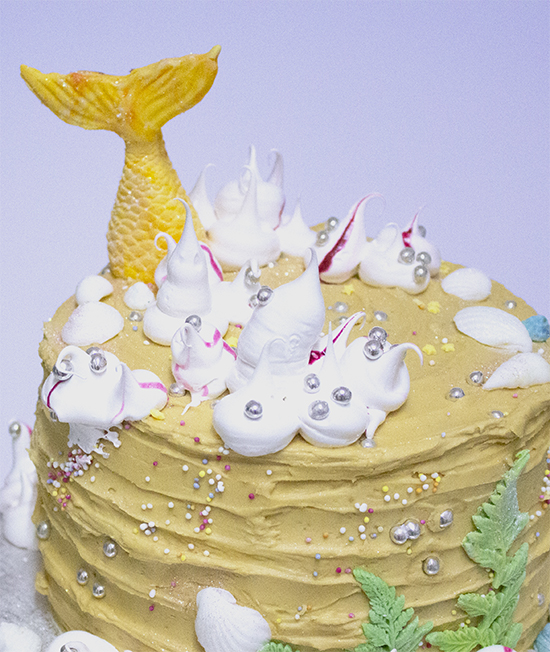
The cake is a 4-layered chocolate sponge with coffee buttercream. I covered it in various sprinkles and topped it with mini piped Italian meringues.
Italian meringue has hot sugar syrup gradually beaten into the egg whites then whisked till it forms firm glossy peaks. This is the meringue mix I use in Macarons.
Swiss meringue is made by stirring sugar and egg whites together over a bain marie (a pot of simmering water) until they are warm then whipping them up to glossy firm peaks.
260g caster sugar
3 free range egg whites
100 ml golden syrup
1/4 tsp of cream of tartar
2 Tbsp water
1 tsp vanilla
Put all of the ingredients in a large bowl. Place the bowl over a pan of simmering water making sure that the base of the bowl doesn’t actually touch the water.
Use a hand whisk and beat for 5 mins.
Take off the heat and beat for a minute more or until the meringue is glossy, white, stiffish and will form soft peaks.
Use it as the topping for lemon meringue or to make chocolate dipped marshmallow topping for cupcakes (pipe the meringue onto a batch of cupcakes, melt some chocolate and while still warm enough to be liquid but not so warm as to melt the meringue, dip the cupcakes into the chocolate).

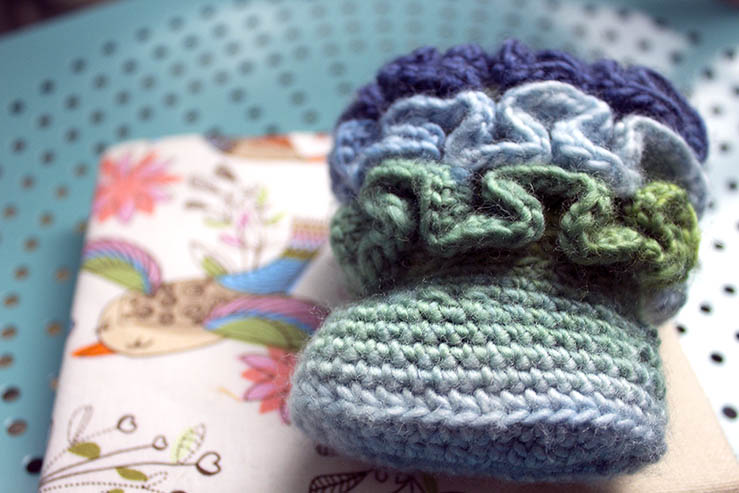
I always wanted to make a pair of these bootees having seen them on Ravelry a while back.
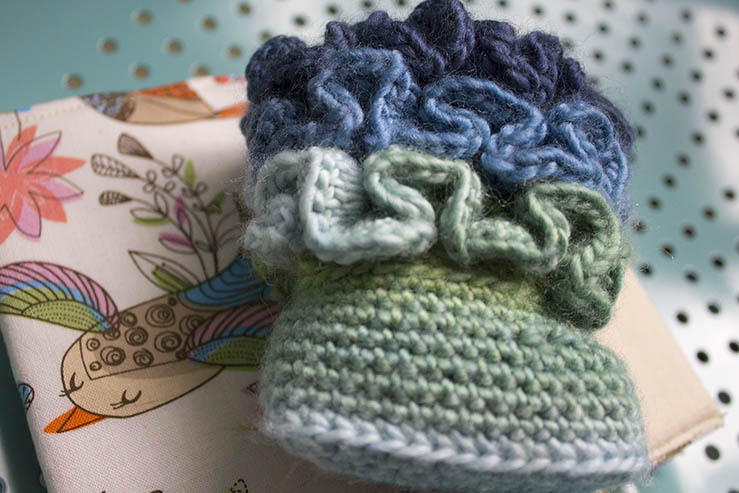
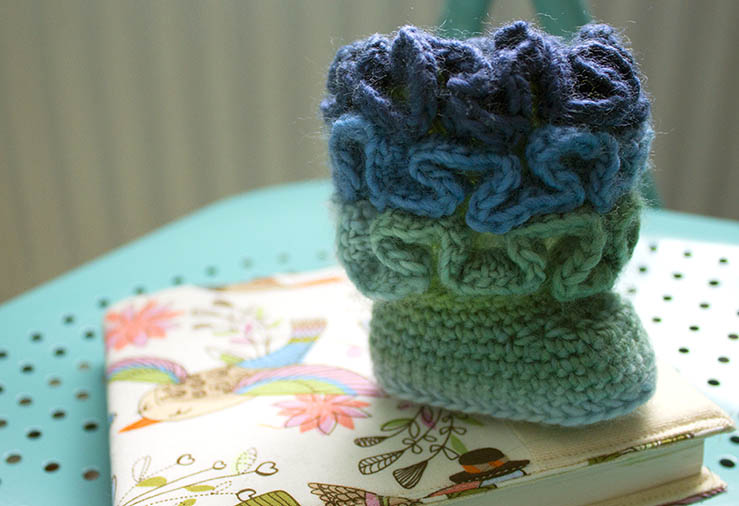
The wool is from Elann: Pippi Longcolors : ‘crystal spring’. ***Update: This wool has been rebranded to ‘Impromptu Lite’ and is available from Amazon). I love how gently the shades blend into a smooth gradation but have made each row of ruffles a band of colour.
They were made using a 4.5 mm hook. The sole length is 8 cm with a width of 4 cm. The height of the bootee (measuring right up to the top of the upper row of ruffles) is 10 cm.
The pattern can be found on B.hooked crochet page or on Ravelry – click the link below:
 No More Mondays